
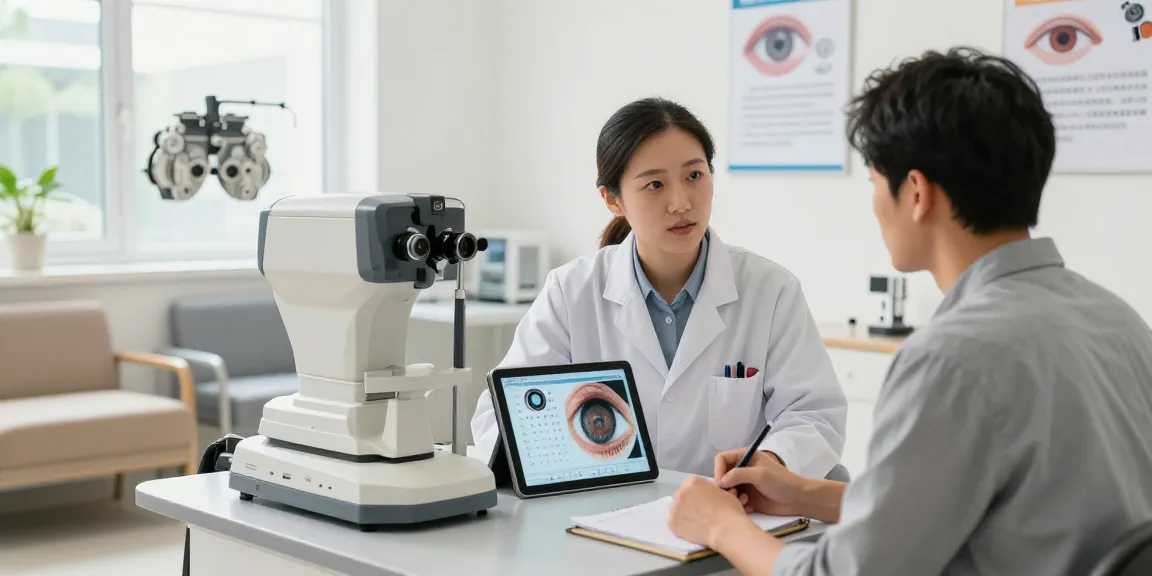
Understanding Vision Correction Options
In today’s rapidly evolving healthcare landscape, selecting the right eye care provider can be overwhelming. If you seek exceptional eye treatment in South Korea, especially in advanced surgical options, you might consider the SNU Eye Clinic. This leading facility boasts a comprehensive approach to eye health, offering a range of services tailored to meet individual needs. When exploring options, snuseoul provides comprehensive insights into state-of-the-art treatments and technologies that revolutionize vision correction.
What are the Key Treatments Offered at SNU Eye Clinic?
SNU Eye Clinic excels in various treatments to address a wide range of vision issues. The clinic specializes in several key procedures, including:
- Laser Vision Correction (LASIK and PRK)
- Implantable Collamer Lens (ICL) and Toric ICL
- Cataract Surgery
- Corneal Transplants
- Advanced Retinal Treatments
- Comprehensive Eye Examinations
- Strabismus Surgery
- Pediatric Eye Care
Each treatment is backed by the latest research and technology, ensuring high success rates and patient satisfaction. The clinic’s commitment to individualized care often results in tailored treatment plans that cater to specific patient needs.
How ICL/Toric ICL Works for Specific Eye Conditions?
Implantable Collamer Lens (ICL) is an excellent option for individuals with significant refractive errors who may not be suitable candidates for laser vision correction. The ICL is positioned behind the iris and in front of the natural lens of the eye, providing an added layer of vision correction. This approach is particularly beneficial for:
- High myopia (nearsightedness)
- Hyperopia (farsightedness)
- Astigmatism, treated with Toric ICL
The Toric ICL specifically addresses astigmatism, allowing for improved visual clarity in various lighting conditions. Both techniques are performed with minimal discomfort and allow for a quick recovery time, making them popular choices among patients seeking efficient solutions.
Benefits of 1:1 Personalized Vision Correction
One of the standout features of SNU Eye Clinic is its emphasis on 1:1 personalized vision correction. This approach involves thorough consultations and assessments, allowing ophthalmologists to design a solution that perfectly aligns with the patient’s specific lifestyle and vision requirements. Benefits include:
- Customized surgical plans based on detailed examinations
- Enhanced patient engagement through education about options
- Higher satisfaction rates due to targeted treatment options
With unmatched personal attention, patients can feel confident that their unique needs are met at every step of their journey.
The Importance of Comprehensive Eye Health Tests
Regular eye health tests are essential for maintaining optimal vision and catching potential issues early. At SNU Eye Clinic, the commitment to thorough evaluations is exemplified by their comprehensive program that includes 52 detailed tests across seven categories. These tests are critical for identifying various eye conditions before they worsen.
Overview of the 52 Detailed Tests We Conduct
The extensive examination process at SNU Eye Clinic consists of a wide array of tests designed to measure distinct aspects of eye health. Some of the key categories include:
- Visual Acuity Tests: Assessing clarity and sharpness of vision.
- Refraction Tests: Determining the correct prescription for glasses or contact lenses.
- Peripheral Vision Tests: Evaluating the full field of vision.
- Color Vision Tests: Checking for deficiencies in color perception.
- Eye Pressure Tests: Monitoring intraocular pressure to detect glaucoma.
- Retinal Exams: Inspecting the health of the retina and optic nerve.
- Corneal Topography: Mapping the surface curvature of the cornea.
These tests not only ensure accurate diagnoses but also guide treatment plans that can prevent severe complications down the road.
How Regular Eye Exams Can Prevent Serious Issues
Routine eye exams are crucial in discovering conditions like glaucoma, diabetic retinopathy, and age-related macular degeneration at early stages when they are most treatable. By establishing a habit of regular check-ups at SNU Eye Clinic, patients significantly decrease their risk of developing serious eye problems that can lead to vision loss. The clinic emphasizes preventive care as an integral part of its mission to enhance community health.
Understanding the Different Categories of Eye Tests
Knowledge of the different categories of eye tests allows patients to grasp how comprehensive their eye care is at SNU Eye Clinic. Each category targets various visual functions, ensuring holistic eye health management. Key categories include:
- Diagnostic Tests: To identify diseases and conditions.
- Performance Tests: To assess how well your eyes work together.
- Monitoring Tests: To track any changes over time to maintain optimal eye health.
This structured approach ensures that no aspect of eye health is overlooked, providing peace of mind to patients.
Success Stories: Real-Life Cases at SNU Eye Clinic
SNU Eye Clinic prides itself on transformative outcomes facilitated through advanced technology and exceptional patient care. The success stories of patients who have undergone procedures highlight the substantial impact the clinic has had on their lives.
Patient Testimonials: Eye Surgery Transformations
Numerous patients have walked away from SNU Eye Clinic expressing gratitude for the profound changes in their vision. Testimonials reflect experiences ranging from immediate post-operative clarity in vision to the alleviation of long-term visual impairments. Many patients report a new lease on life, feeling liberated from glasses and contacts.
Case Study: Successful ICL Surgery Outcomes
A recent case study showcased a patient who presented with -10.00 diopters myopia and severe astigmatism. After opting for Toric ICL surgery, the patient experienced 20/20 vision within a few hours post-operation. This case exemplifies the effectiveness of personalized vision correction strategies employed at SNU Eye Clinic, where each patient’s unique needs are paramount.
Lessons Learned from 50000+ Surgeries Conducted
With over 50,000 successful surgeries performed, SNU Eye Clinic combines experience with innovation. Continuous learning from these experiences informs best practices and refines the technologies and techniques utilized in modern eye surgery. Each surgery contributes to a growing database of knowledge, enhancing the clinic’s capability to provide superior care.
Expert Insights on Advancements in Eye Care Technologies
The eye care landscape is undergoing significant transformations, driven by technological advancements and innovative research. SNU Eye Clinic remains at the forefront of these changes, integrating cutting-edge technology into their practices.
Future Trends in Eye Surgery: What to Expect by 2026
Looking ahead to 2026, expect to see breakthroughs such as:
- Increased utilization of minimally invasive surgical techniques
- Advances in artificial intelligence-driven diagnostics
- Higher precision in laser treatments through enhanced imaging technologies
These advancements will not only improve surgical outcomes but also enrich patient experiences through quicker recovery times and higher satisfaction rates.
The Role of Artificial Intelligence in Eye Exams
Artificial intelligence is set to revolutionize eye examinations, enabling more accurate predictive analytics regarding eye health. AI systems can analyze vast amounts of data to detect patterns, enhancing early diagnosis of conditions like diabetic retinopathy and glaucoma. SNU Eye Clinic is already embracing these technologies, allowing practitioners to provide targeted options based on advanced data analysis.
Innovations in Non-Invasive Eye Treatments
Non-invasive technologies are becoming increasingly popular as patients seek effective solutions with minimal downtime. New developments include:
- Optical Coherence Tomography (OCT) for detailed retinal imaging
- Low-level light therapy to aid healing and reduce inflammation
- Innovative drops for dry eye treatment that require no surgery
Such innovations reflect a trend towards patient-centered care that prioritizes comfort and effective outcomes.
Frequently Asked Questions About Eye Care Services
As patients navigate their eye care journeys, they often have many questions regarding what to expect during consultations and how to prepare for procedures. Here are some of the most frequently asked questions at SNU Eye Clinic:
What Should I Expect During My First Consultation?
Your first consultation at SNU Eye Clinic will include a comprehensive eye exam, discussions about your medical history, and an overview of your specific vision goals. The initial visit aims to evaluate your current eye health and discuss potential treatment options tailored to your needs.
How Do I Prepare for Eye Surgery?
Preparation for eye surgery typically involves guidelines such as avoiding certain medications that could affect healing or blood clotting, arranging for transportation post-surgery, and following pre-operative instructions as discussed in your consultation.
What Are Typical Recovery Times for Different Procedures?
Recovery times can vary depending on the procedure performed. Generally, laser surgeries like LASIK offer quick recovery, often within 24 hours, while ICL surgery may require a few days for initial healing. Your surgeon will provide a recovery timeline specific to your chosen treatment.
Are There Financing Options Available for Eye Treatments?
SNU Eye Clinic offers a range of financing options to ensure that high-quality eye care is accessible to all patients. From flexible payment plans to partnerships with health financing organizations, patients can find a solution that fits their budget.
Can I Schedule Follow-Up Appointments Online?
Yes! SNU Eye Clinic provides an easy online scheduling system allowing patients to book follow-up appointments at their convenience, ensuring continuity of care and convenience in managing your eye health.
