
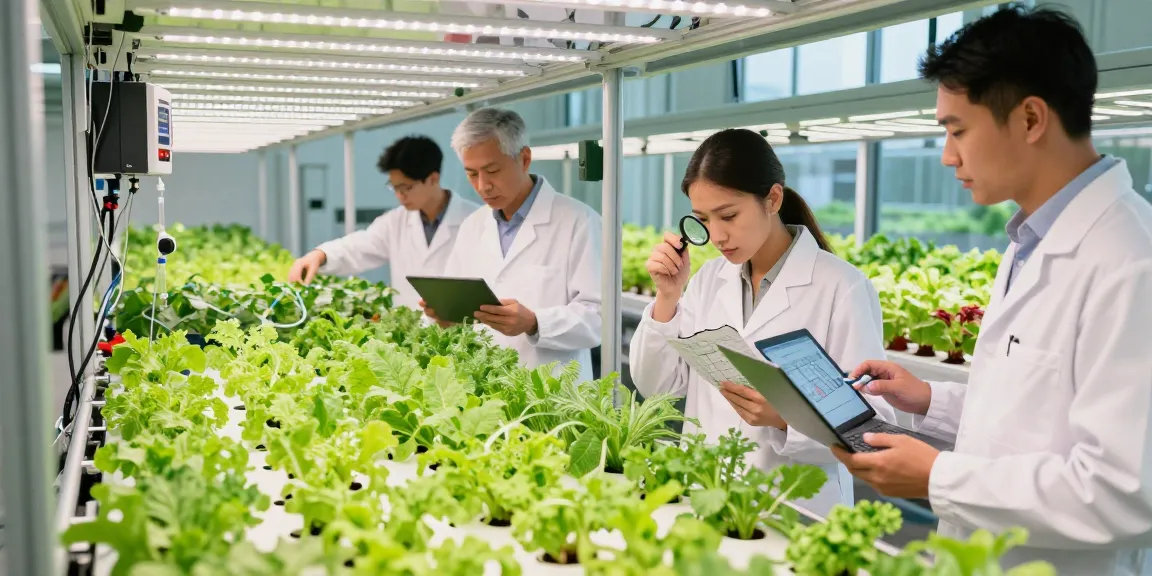
Understanding CIKA4D in Indoor Agriculture
The landscape of agriculture is evolving rapidly, with indoor farming emerging as a crucial solution to food security and sustainability challenges. CIKA4D represents a significant innovation in this field, focusing on the design and construction of sophisticated facilities tailored for indoor agriculture. By incorporating advanced technologies and structured designs, CIKA4D enhances the efficiency and productivity of agricultural operations. As the industry shifts towards more controlled environments, the need for comprehensive support systems has never been greater. For those exploring options, cika4d provides comprehensive insights into integrated solutions for modern farming practices.
What is CIKA4D?
CIKA4D stands for “Controlled Indoor Agriculture 4D,” representing a modern approach to indoor farming that integrates various technologies and design principles to optimize agricultural outputs. The system utilizes cutting-edge tools for climate control, lighting, and space management to create optimal growth environments for various crops. This method is especially relevant in urban settings where traditional farming space is limited, providing an efficient alternative to conventional agricultural practices.
The Role of CIKA4D in Modern Farming
In contemporary agriculture, CIKA4D plays an essential role in facilitating urban farming and vertical farming projects. By employing structured design and innovative technology, CIKA4D addresses several critical challenges in agriculture, such as limited space, resource management, and environmental impact. It integrates advanced monitoring systems that help farmers maintain ideal growing conditions year-round, ensuring a consistent supply of fresh produce.
How CIKA4D Transforms Grow Rooms
The transformation of grow rooms through CIKA4D is significant. This approach not only enhances the physical space but also revolutionizes operational efficiency. Advanced systems for water management, nutrient delivery, and artificial lighting ensure that crops receive optimal conditions for growth. Moreover, the modular design fosters scalability, allowing farmers to expand their operations without significant additional investment.
Innovative Design Principles of CIKA4D
CIKA4D incorporates several innovative design principles that set it apart from traditional agricultural methods. These principles are essential for creating effective indoor agriculture environments that are energy-efficient, sustainable, and conducive to plant growth.
Key Features of CIKA4D Facilities
- Climate Control Systems: Advanced sensors monitor temperature, humidity, and CO2 levels to ensure optimal conditions.
- LED Lighting Solutions: Tailored spectrums of light promote photosynthesis and enhance crop yields.
- Automated Nutrient Delivery: Precision irrigation systems deliver nutrients directly to plant roots, minimizing waste.
- Modular Design: Facilities can be customized and expanded based on specific agricultural needs.
Benefits of Structured Design in Indoor AG
The structured design principles of CIKA4D offer several benefits for indoor agriculture, including:
- Enhanced Crop Yield: By optimizing growth conditions, farmers can achieve higher yields in shorter periods.
- Resource Efficiency: Reduced water and nutrient consumption leads to lower operational costs.
- Sustainability: Environmentally friendly practices minimize the carbon footprint and maximize resource efficiency.
AI and Automation in CIKA4D Solutions
Artificial Intelligence (AI) and automation play a pivotal role in the CIKA4D framework. These technologies support data-driven decision-making by providing insights into plant growth patterns, resource utilization, and environmental conditions. Automated systems can adjust lighting, irrigation, and climate controls in real-time, allowing for a level of precision that traditional farming cannot achieve.
Building Sustainable Indoor Agricultural Environments
Sustainability is at the core of the CIKA4D model, aiming to reduce the environmental impact of agriculture while simultaneously increasing productivity.
Energy Efficiency Practices with CIKA4D
CIKA4D emphasizes energy efficiency through the use of renewable energy sources and energy-efficient equipment. By integrating solar panels and efficient HVAC systems, facilities can reduce their reliance on non-renewable energy, leading to significant cost savings and a smaller carbon footprint.
Reducing Waste through Intelligent Design
Waste reduction is another critical area where CIKA4D excels. Innovative designs focus on recycling water and nutrients, utilizing systems that minimize excess waste. For instance, closed-loop systems recirculate water, ensuring that nothing goes to waste while maintaining essential nutrient levels for plant health.
The Future of Sustainable Practices in Agriculture
The future of sustainable practices in agriculture, particularly in indoor settings, will likely see increased integration of AI, IoT, and machine learning technologies. These innovations will further enhance efficiency, enabling farmers to grow more food using fewer resources, thereby tackling global food security challenges.
Implementation Strategies for CIKA4D
Implementing CIKA4D solutions requires a detailed strategy to ensure success from planning through execution.
Step-by-Step Guide to Implementing CIKA4D
- Needs Assessment: Identify specific agricultural goals and resource availability.
- Design Development: Collaborate with design professionals to create a tailored facility layout.
- Technology Integration: Select appropriate systems for climate control, lighting, and automation.
- Construction: Build the facility according to the developed plans while ensuring compliance with local regulations.
- Testing and Optimization: Monitor the facility’s performance and make necessary adjustments to maximize efficiency.
Common Challenges in CIKA4D Projects
Despite its many advantages, CIKA4D implementation can face several challenges, including:
- Initial Investment Costs: The upfront costs for technology and construction can be significant.
- Technical Expertise: Finding skilled professionals who understand CIKA4D technologies can be challenging.
- Regulatory Compliance: Navigating local agricultural regulations can complicate project execution.
Enhancing Productivity with CIKA4D Techniques
To enhance productivity, CIKA4D techniques focus on continuous improvement and adaptation. Regular training and updates on new technologies help personnel maintain optimal operations, while data analytics provide insights into crop performance that inform future growing strategies.
Future Trends in Indoor Agriculture and CIKA4D
As we look to the future, the trends shaping indoor agriculture and CIKA4D are expected to be transformative and innovative.
Predictions for Indoor Farming in 2026
By 2026, indoor farming is set to become a standard practice in urban areas, with increased reliance on automation and AI to manage systems. Farms will become more integrated within communities, supplying fresh produce locally and reducing transportation emissions.
Emerging Technologies Influencing CIKA4D
Emerging technologies such as IoT sensors, blockchain for supply chain transparency, and advanced genetic engineering for crop resilience will profoundly impact CIKA4D operations. These developments will further improve efficiency and sustainability in indoor agriculture.
Expert Insights on CIKA4D Innovations
Experts predict that the future of CIKA4D will include more personalized solutions tailored specifically to the needs of different crops and market demands. Continuous innovation in technology will enable farmers to adapt quickly to changes in consumer preferences, further driving growth in the indoor agriculture sector.
What challenges does CIKA4D address?
CIKA4D tackles challenges such as climate variability, space limitations, and resource scarcity by creating controlled environments that optimize growth conditions, thus aiding in reliable food production.
How can CIKA4D improve crop yield?
Through precision agriculture techniques and climate control systems, CIKA4D enhances crop yield by ensuring that plants receive optimal light, nutrients, and environmental conditions throughout their growth cycles.
What resources are available for CIKA4D implementation?
Various resources, including technical guides, consultancy services, and software platforms, are available to assist in the smooth implementation of CIKA4D solutions. These resources ensure that farmers can leverage the full benefits of indoor agriculture.
How does CIKA4D impact operational costs?
By improving resource efficiency and crop yield, CIKA4D significantly reduces operational costs associated with water, energy, and nutrient inputs. This reduction in costs leads to enhanced profitability for indoor farming operations.
What are the benefits of using CIKA4D technology?
The benefits of CIKA4D technology include increased efficiency, reduced environmental impact, better crop quality, and the ability to produce food anywhere, regardless of external weather conditions, thereby enhancing food security globally.
